Welcome tax refund for first-time buyers: what you need to know
Frédéric Vinet, real estate broker
Since January 1, 2026, some first-time buyers in Quebec can get back part of their welcome tax, up to $5,875, as a tax credit. You still pay the welcome tax to the municipality, then claim the credit from Revenu Québec. The amount depends on the price of the property, and eligibility is checked for each buyer.
Buying a first property is a major expense, and the down payment isn't the only amount to plan for. In Quebec, buyers also have to pay property transfer duties, commonly called the “welcome tax.”
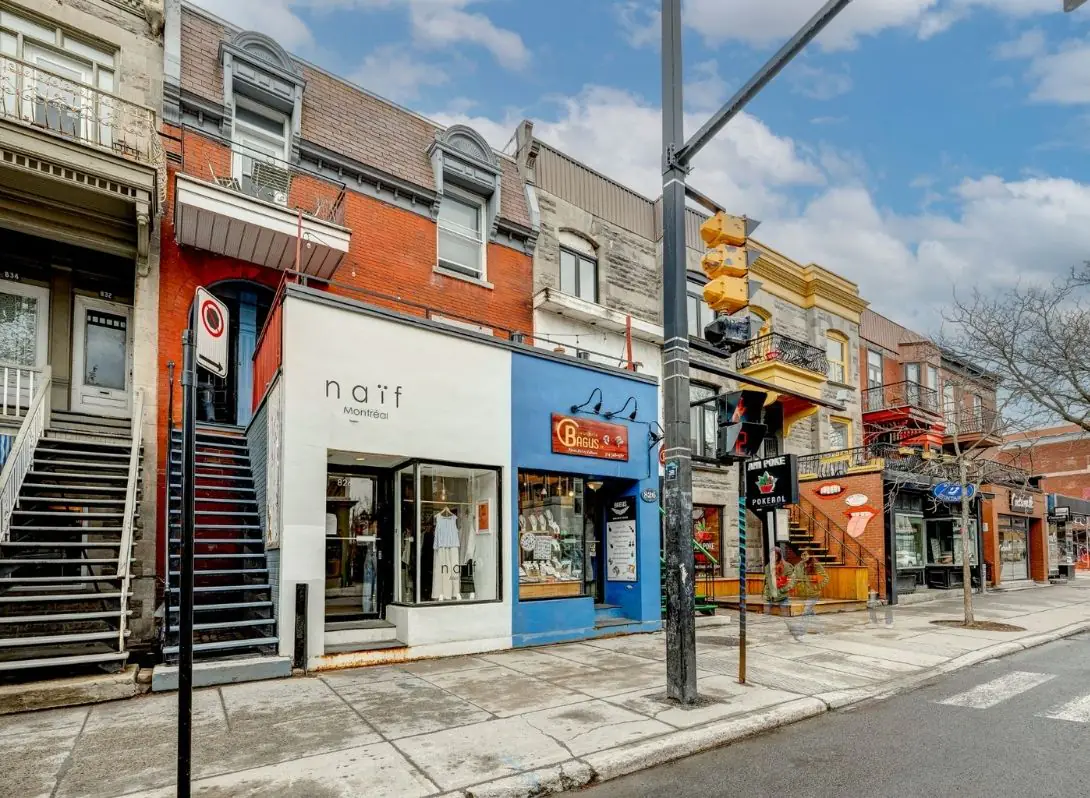
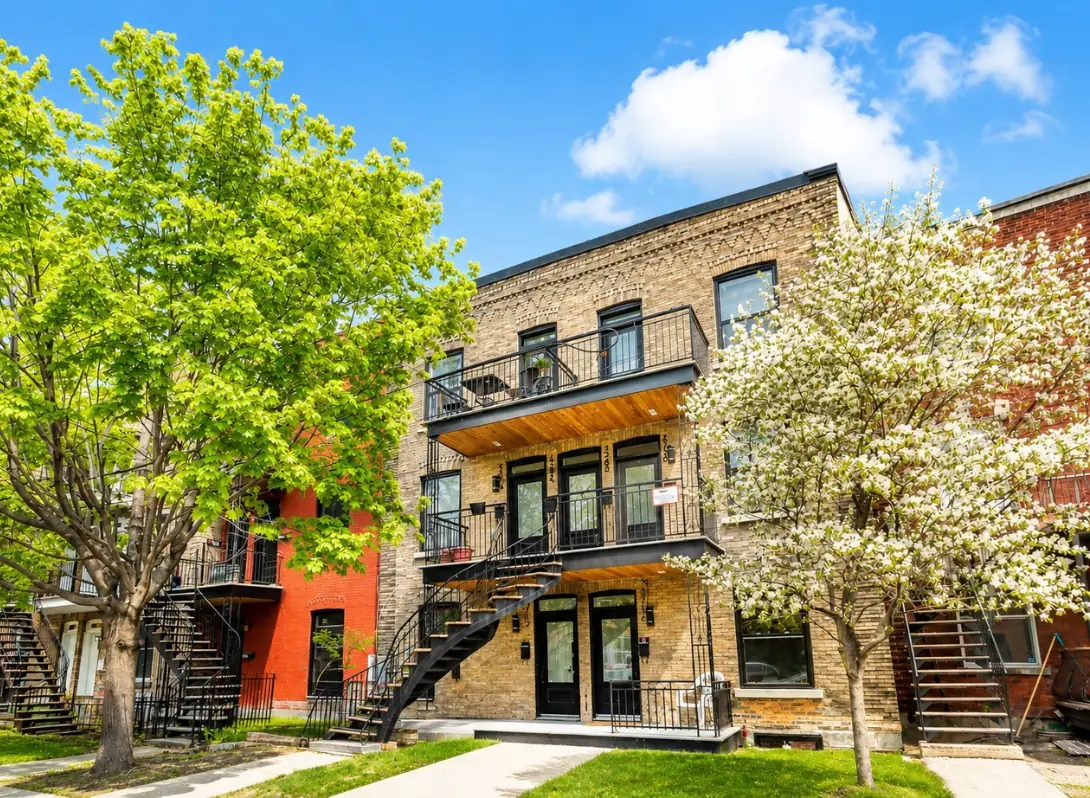
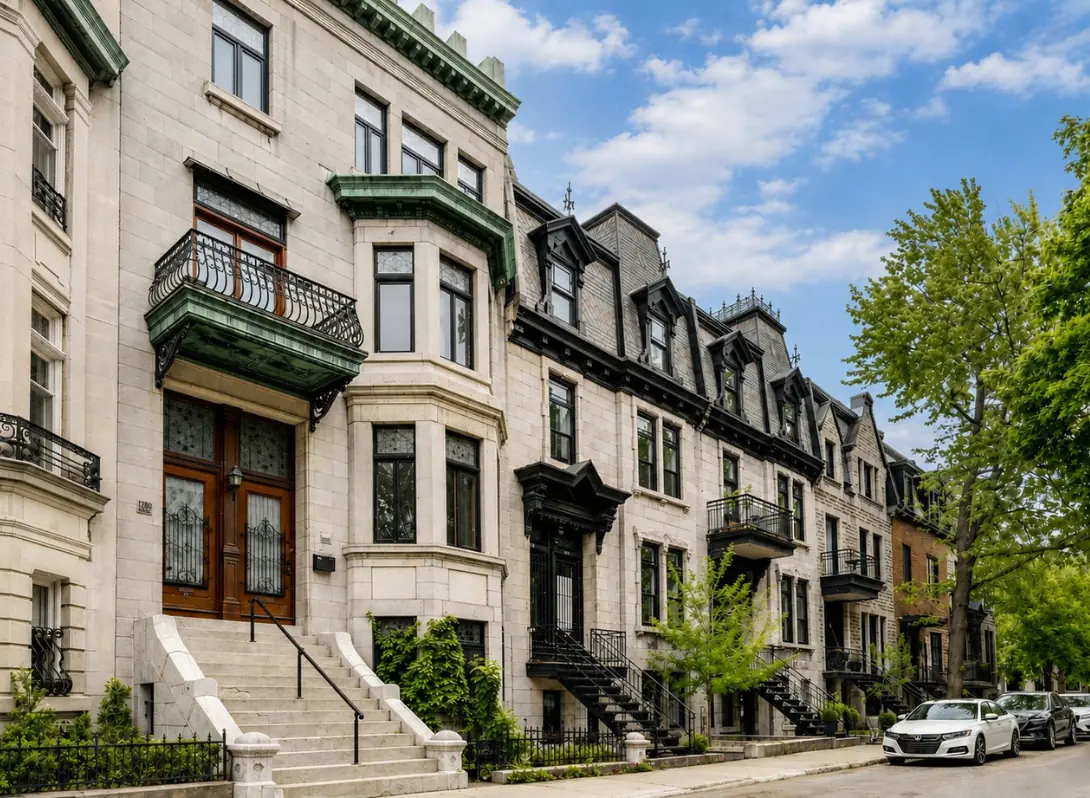
Since January 1, 2026, a new measure lets some eligible first-time buyers get a tax credit of up to $5,875 for an eligible property. That can be a real saving for people looking to buy a condo in Montréal, a house on the Plateau-Mont-Royal, a property in Rosemont–La Petite-Patrie or a home in Outremont.
What is the welcome tax?
The welcome tax is the property transfer duties a person has to pay when they acquire a property.
It is generally calculated on the price of the property or its market value, according to the applicable rules. It is collected by the municipality where the building is located.
So it's an expense to plan for on top of the down payment, notary fees, the inspection and the other costs of buying.
In Montréal, for example, the welcome tax can come to several thousand dollars depending on the price of the property.
How does the refund for first-time buyers work?
Since January 1, 2026, some first-time buyers can get back part of their welcome tax as a tax credit.
The maximum credit is $5,875.
Here's how it's calculated:
- the first $5,000 of eligible welcome tax can be refunded
- 25% of the portion above $5,000 can then be added
- the total refund is capped at $5,875
This is not an automatic reduction of the welcome tax bill the municipality sends you.
The buyer first pays the welcome tax owed, then claims the tax credit in their annual income tax return.
Who counts as a first-time buyer?
To benefit from the measure, the buyer has to meet the eligibility criteria set by the Gouvernement du Québec.
In general, you have to be considered a first-time buyer under the program's rules and acquire an eligible dwelling.
The property must have been acquired on or after January 1, 2026, and its purchase price must be under $1,000,000.
Pay attention to the definition of “first-time buyer,” though. Having owned a home before can affect eligibility, depending on the circumstances.
What if I'm buying with my spouse?
Buying a property as a couple can affect eligibility for the credit.
When several people buy a property together, the criteria have to be assessed for each buyer. So don't just assume the credit applies automatically because one of the two buyers has never owned.
This matters especially for couples buying their first property together, say a condo on the Plateau-Mont-Royal or a house in Rosemont.
Before you build your budget around the credit, it's better to check the conditions that apply to each buyer.
When do you get the refund?
The credit isn't paid out when you buy the property.
The buyer first pays the welcome tax to the municipality, then claims the tax credit in their income tax return.
When you actually receive the money will therefore depend on your tax situation and how your return is processed.
Keep the documents from your purchase so you can claim the credit properly.
Does the refund cover the whole welcome tax?
Not necessarily.
The maximum of $5,875 is a ceiling. Depending on how much you paid in welcome tax and your situation, the credit you're entitled to may be lower than that.
So avoid automatically subtracting $5,875 from your total cost when you set your budget.
The welcome tax is still an expense to plan for when you buy, even if you may qualify for the credit.
What other programs can help a first-time buyer?
The welcome tax credit comes on top of other tools that can help finance the purchase of a first property.
The FHSA lets you save toward buying a first home with tax advantages.
The Home Buyers' Plan (HBP) can also let you withdraw money from an RRSP, under certain conditions, to finance the purchase of an eligible home.
These programs are separate from the welcome tax credit. So several measures may apply to the same purchase, depending on the buyer's situation and each program's criteria.
What does it mean for a buyer in Montréal?
For a first-time buyer, every saving can make a real difference to the budget available for the purchase.
If you're thinking of buying a condo on the Plateau-Mont-Royal, a house in Rosemont–La Petite-Patrie or a property in Outremont, build the welcome tax and the other transaction costs into your budget from the start.
The down payment is only part of what you need to become an owner. You also need to plan for the notary, the inspection, the welcome tax, tax adjustments, insurance and, for a condo, the condo fees.
Key takeaways
The tax credit for first-time buyers can get you back up to $5,875 of welcome tax for an eligible property acquired on or after January 1, 2026.
The refund isn't automatic, though: the welcome tax has to be paid first, and the credit is then claimed in your income tax return.
Before you set your purchase budget, take all the transaction costs into account and check whether you qualify for the different measures available.
Whether you want to buy a condo on the Plateau-Mont-Royal, a house in Rosemont or a property in Outremont, a real estate broker in Montréal can help you plan ahead, set your purchase budget and understand the different steps of a real estate transaction.