Buying a commercial building in Montréal: what to check before you make an offer
Frédéric Vinet, real estate broker
Before making an offer on a commercial building in Montréal, check the location and the area's potential, the zoning and permitted uses, the rents and lease terms, the operating expenses, the financing conditions and the condition of the building. Beyond the asking price, the goal is to know whether the building fits your investment strategy and your tolerance for risk.
Buying a commercial building is a big decision that calls for a much deeper analysis than a residential purchase. Whether you're looking for a commercial space, an income property or a property for your business, several criteria need to be checked before you make an offer.
In Montréal, the choice of area, what the building is used for, the rental income and the operating expenses can all have a big influence on a commercial property's value and profitability.
Here are the main things to analyze before buying a commercial building.
1. The location and the area's potential
As with any real estate investment, location is essential.
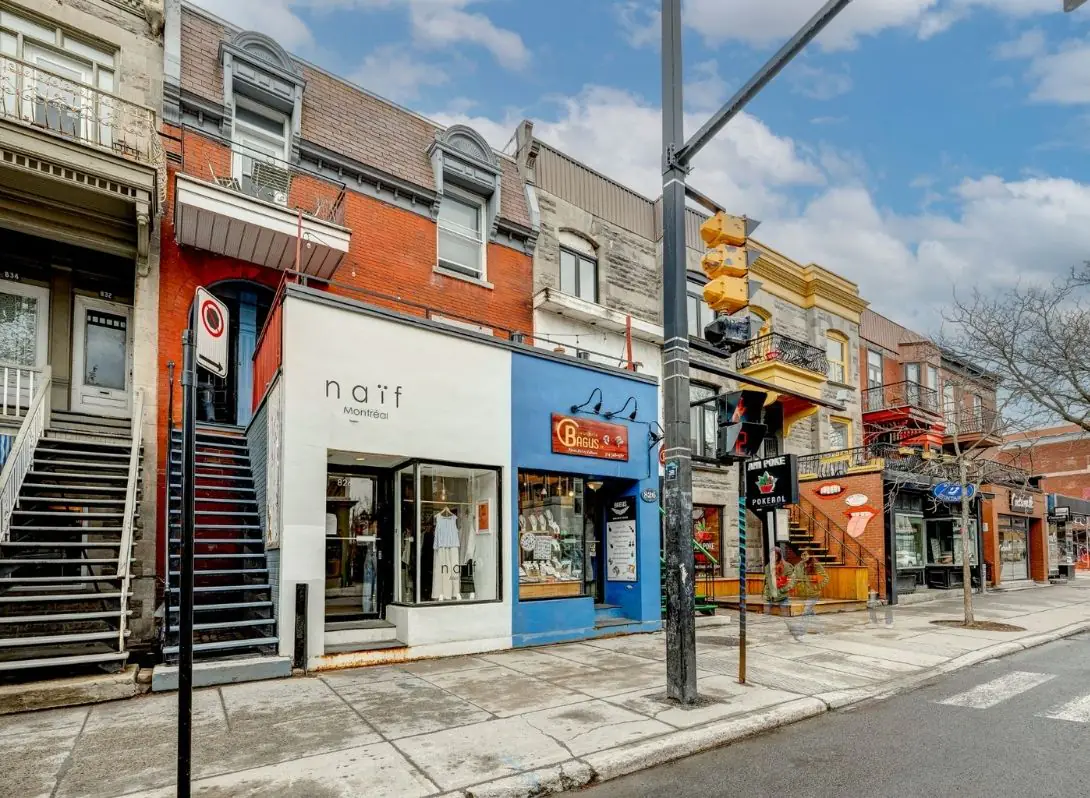
Before buying, look at the area, the foot traffic, how visible the property is, access by car and public transit, and how close it is to shops and services.
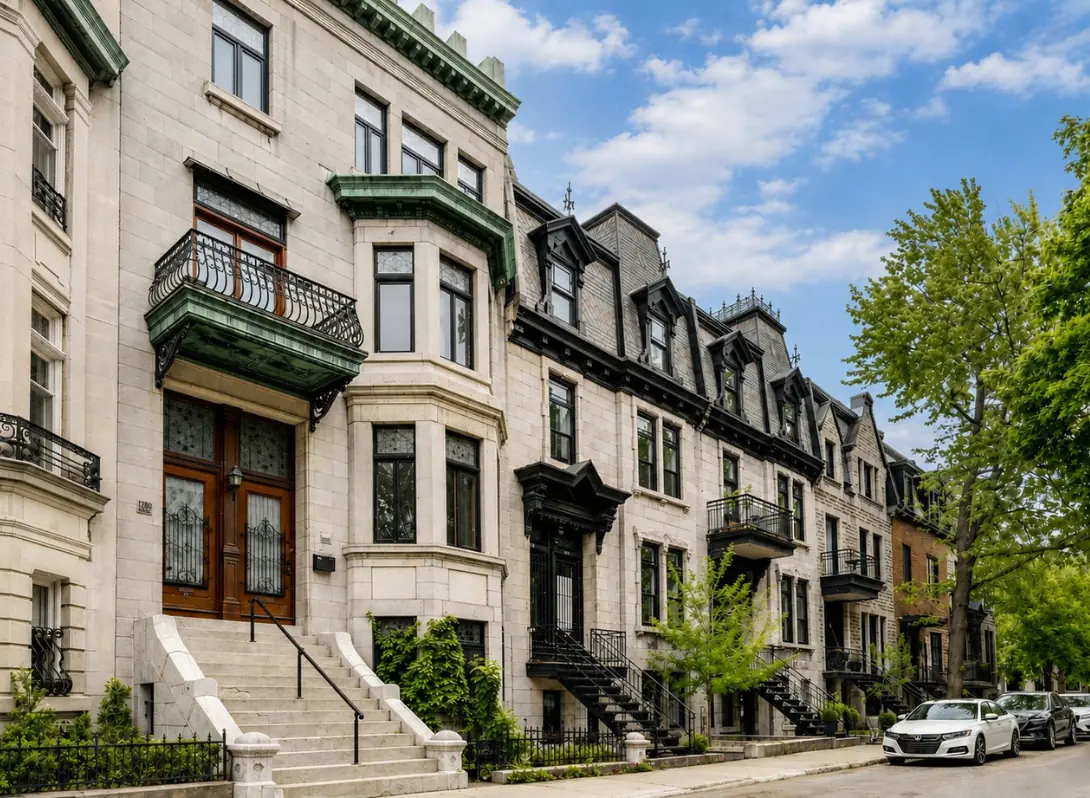
In Montréal, needs can be very different from one area to another. A commercial space on the Plateau-Mont-Royal won't necessarily meet the same criteria as a building in Rosemont or Outremont.
So you need to decide whether the location really suits the type of business or tenants you're targeting.
2. Zoning and permitted uses
Before making an offer, it's essential to check what the zoning by-law allows you to do with the property.
A building can look perfectly suited to what you're planning, but the use you have in mind might not be allowed.
Depending on your plans, you may need to check the permitted uses, the restrictions that apply, any acquired rights and any municipal approvals.
This check is especially important if you plan to convert a space, change its use or run a new commercial activity there.
3. Tenant income and leases
If you're buying a commercial building with tenants, the income the property generates needs to be analyzed carefully.
Things to look at include:
- the rent amounts
- the time left on the leases
- scheduled renewals
- rent increases
- vacant spaces
- the owner's and tenants' responsibilities
- the expenses each party pays
A building with good rental income on paper isn't necessarily a good investment if several leases are about to expire or the rents are hard to sustain.
4. Operating expenses
The purchase price is only part of what a commercial building costs.
You also need to analyze the property's expenses, including municipal and school taxes, insurance, maintenance, repairs, utilities and management fees.
These figures let you work out the net operating income and get a better idea of how the investment really performs.
5. Financing
Financing a commercial building generally works differently from financing a residential property.
Lenders may look at the income the building generates, its value, the type of property, the buyer's financial situation and the building's ability to cover its expenses and its financing.
Before you start searching, it's better to know your financial capacity and the financing conditions you could get.
6. The building's condition
A commercial inspection can help identify problems or major work that's coming.
Depending on the property, it may be worth examining the structure, the roof, the mechanical systems, the electrical, the plumbing and the equipment tied to running the building.
You also need to factor in the building's age and any major work that could be needed in the short or medium term.
7. The investment's potential
Finally, you need to look past the asking price.
Is the income attractive? Does the area have growth potential? Are the rents in line with the market? Are there vacant spaces? What work will have to be done?
The goal is to determine whether the building fits your investment strategy and your tolerance for risk.
Key takeaways
Before buying a commercial building in Montréal, you need to analyze the location, the zoning, the income, the leases, the expenses, the financing and the condition of the property, all together.
Whether you're looking for a commercial space for your business or an income property on the Plateau-Mont-Royal, in Rosemont or in Outremont, a thorough analysis helps you understand the property's real value and the risks that come with the investment.
A commercial real estate broker who knows the Montréal market can help you analyze properties, negotiate and move through each step of your purchase!