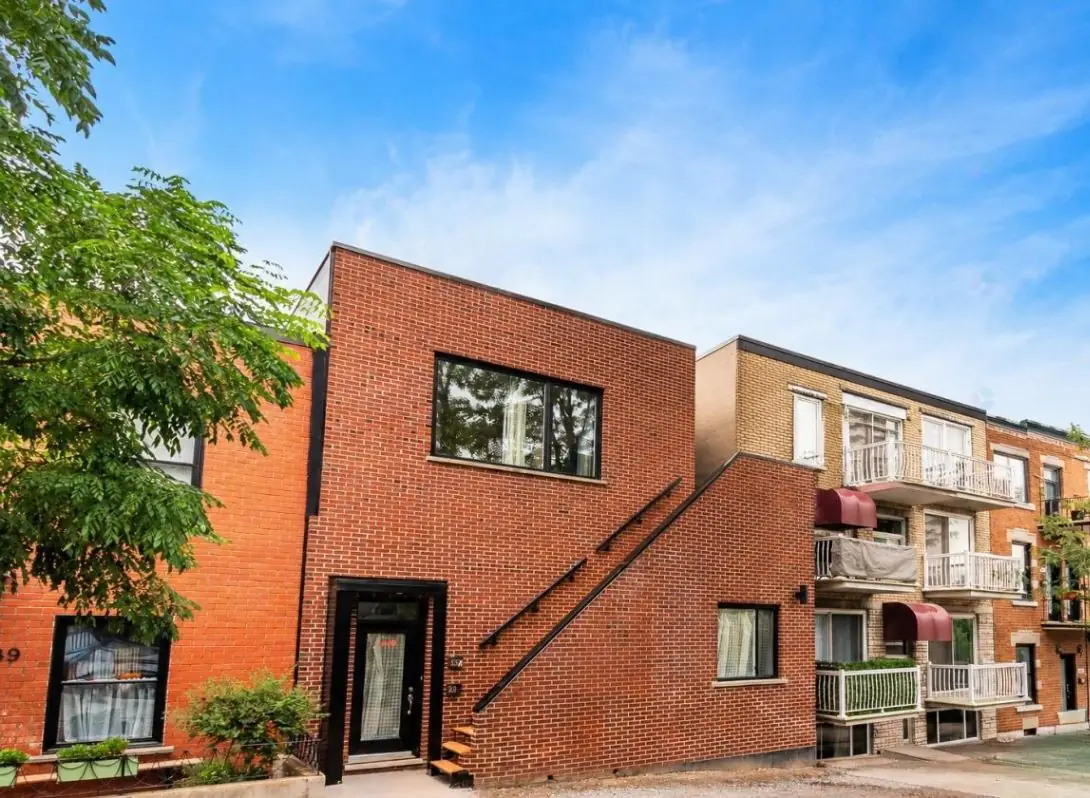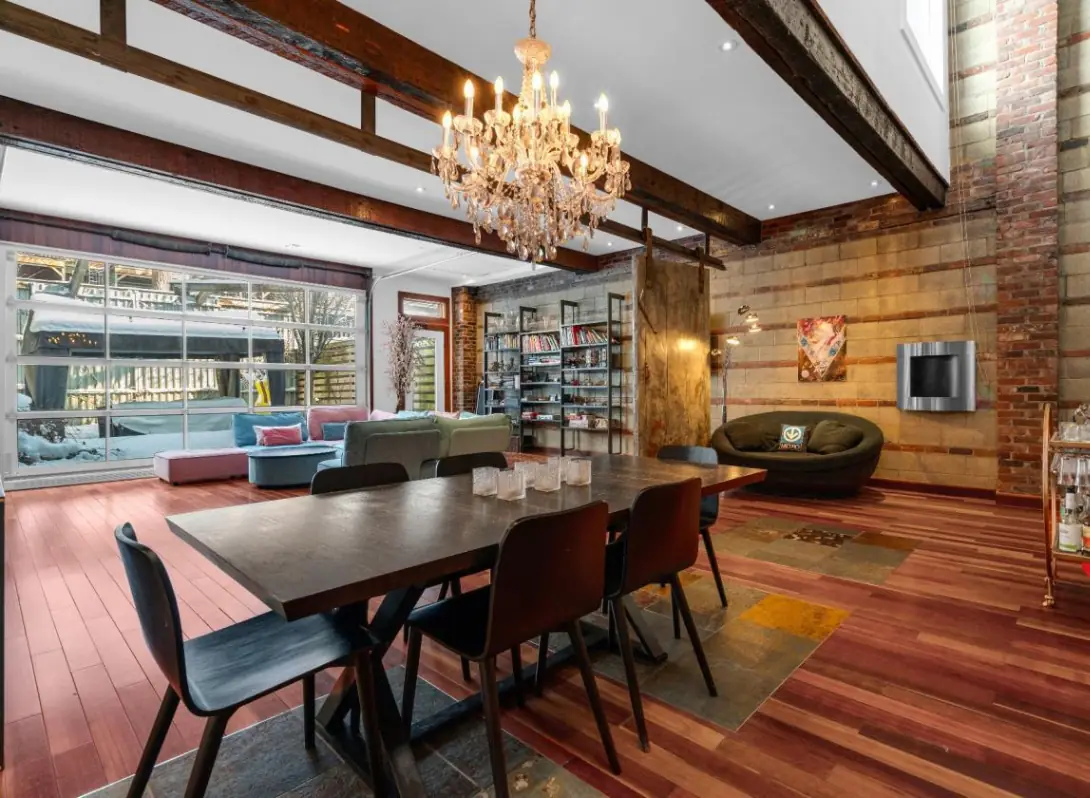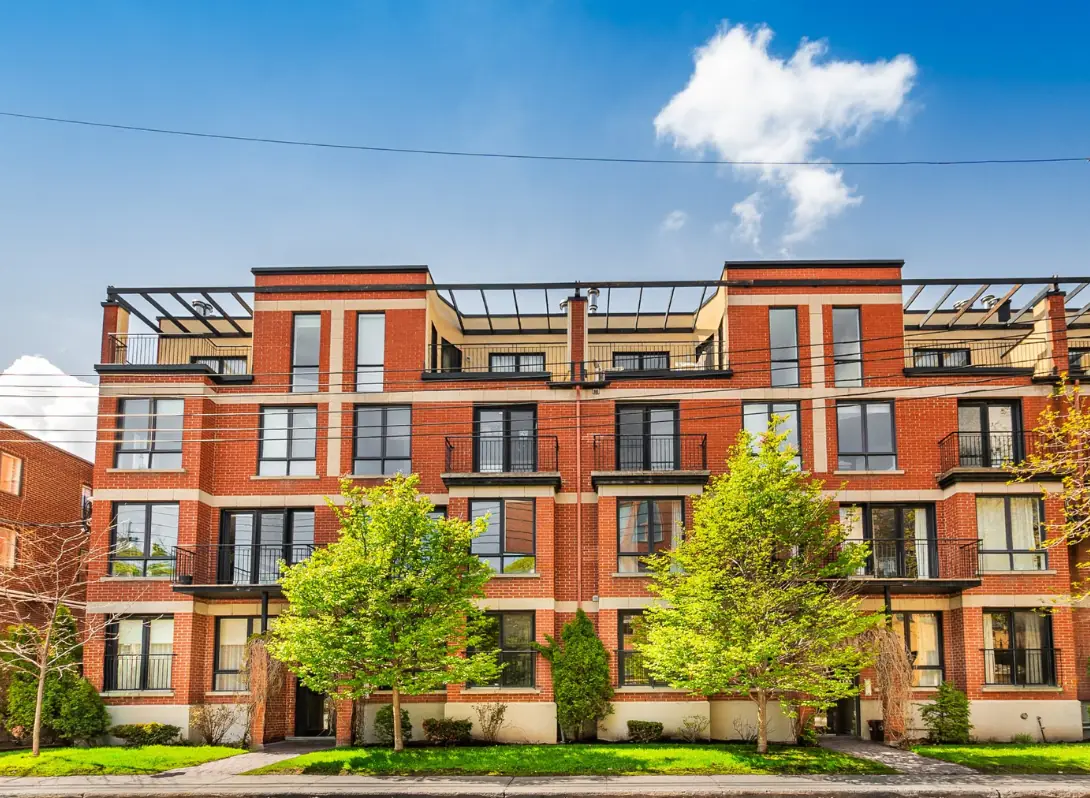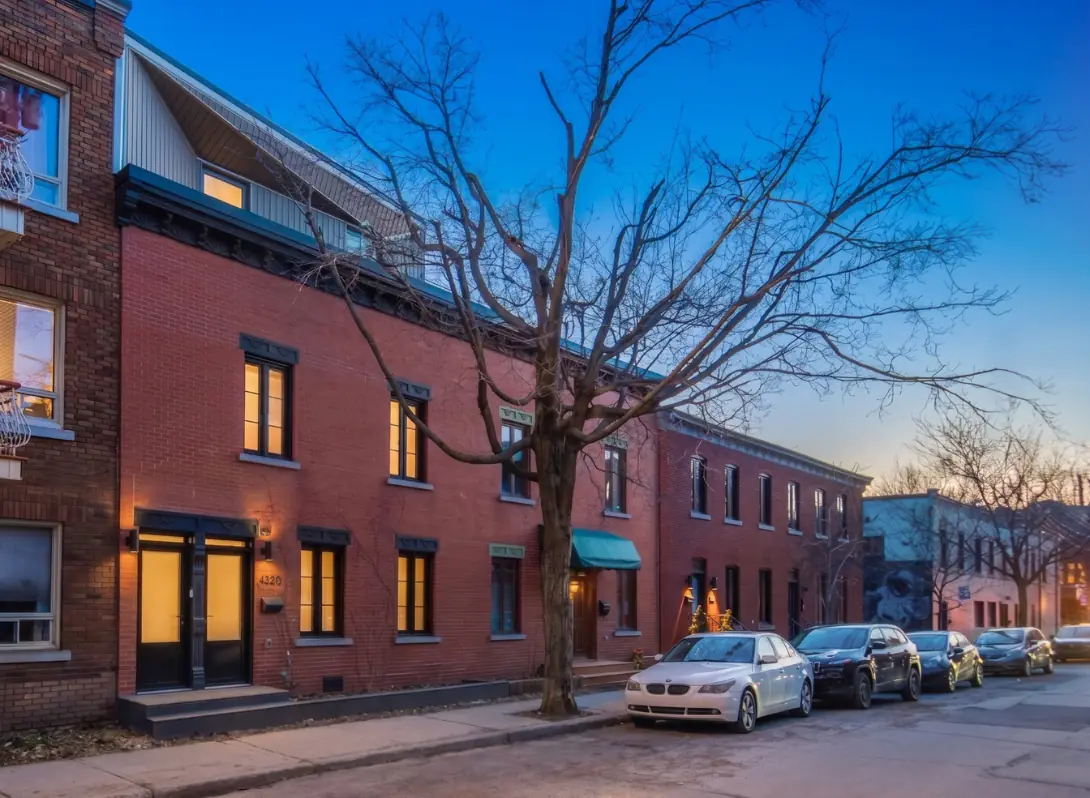
Buying a duplex, triplex or quadruplex: where do you start?
Frédéric Vinet, real estate broker
Buying a duplex, triplex or quadruplex starts well before the first visit. First, pin down your investment goal and your budget, which has to cover the down payment, notary fees, the welcome tax and any work. Then you choose the number of units and the area. Once you have a building in your sights, look past the asking price: income, expenses, the condition of the building and the leases.
Buying an income property can be a big step for a real estate investor. Whether you're taking your first steps into rental property or growing a portfolio you already have, a duplex, triplex or quadruplex can offer an appealing mix of ownership and rental income.
But where do you start? Before you visit anything or make an offer, a few things are worth looking at closely to figure out which kind of building actually fits your plans.
Define your investment goal
The first step is figuring out why you want to buy an income property.
Are you looking for a first home you'll live in while the other units bring in income? Or would you rather buy a building purely as a rental? Do you plan to keep the property for the long term, or build up a real estate portfolio over time?
Your answers will shape the kind of building you look for, the area you target and the budget you'll need.
Know your budget and borrowing capacity
Before you start searching, you need to know how much you can borrow and how much you want to invest.
The purchase price isn't the only cost. You also need to plan for the down payment, notary fees, the welcome tax (property transfer duties), inspections, insurance, taxes and any work that needs doing after the purchase.
For an income property, the rental income and the building's expenses also have to be analyzed to get a truer picture of how it performs financially.
A clear budget lets you focus on realistic properties and keeps you from wasting time on buildings that don't match what you can afford.
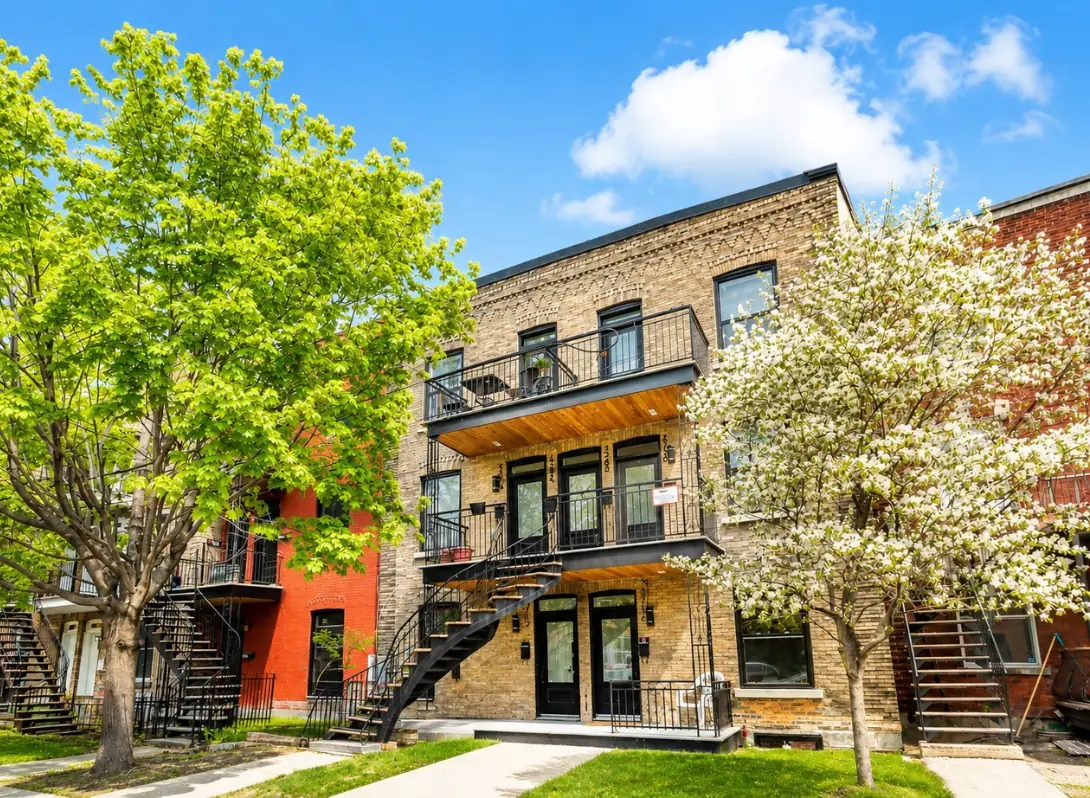
Choose between a duplex, triplex or quadruplex
The number of units can make a big difference in how the building is managed and how profitable it can be.
A duplex can be a way into real estate investing, especially for a buyer who wants to live in one unit and rent out the other.
A triplex or quadruplex has more units, so more sources of rental income, but it also means more management and potentially higher expenses.
For some investors, a 5-plex or 6-plex can also be worth a look. These buildings call for a more thorough financial analysis, though, given their value and the number of units.
The best choice comes down to your budget, your strategy and how involved you want to be in managing the building.
Analyze the income and expenses
Once you have a property in mind, you need to look past the asking price.
Current rental income gives you a first look at how the building performs, but it has to be weighed against all the expenses.
Things to examine:
- the income from each unit
- comparable rents in the area
- municipal and school taxes
- insurance
- maintenance costs
- energy costs, when the owner pays them
- recent and upcoming work
- past income and expenses, when available
This analysis gives you a better sense of the building's real financial situation and its long-term potential.
Choose the right area in Montréal
Location plays a central role in a real estate investment.
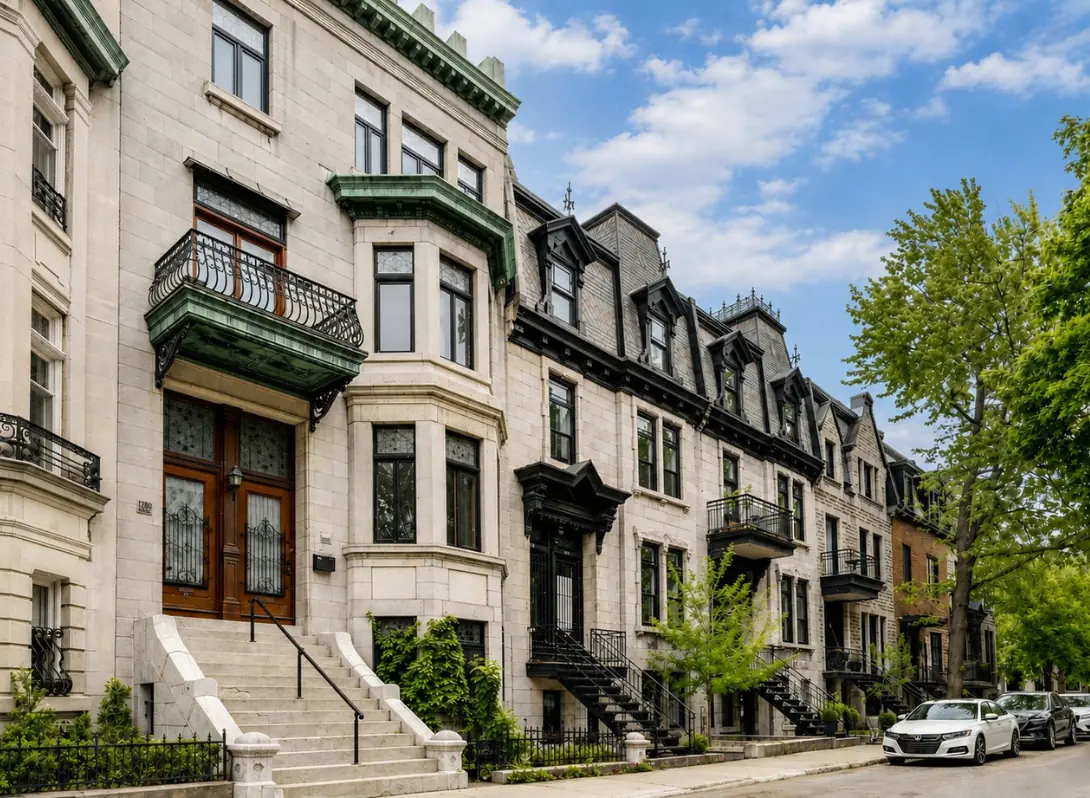
In Montréal, areas like the Plateau-Mont-Royal, Rosemont–La Petite-Patrie, Outremont and Villeray–Saint-Michel–Parc-Extension have plenty of income properties.
Each neighbourhood has its own character, though. Property prices, unit types, rents, rental demand and the tenant profile can vary a lot from one area to the next.
So don't just look for a building that fits your budget. Look for an area that fits your investment strategy.
Check the building's condition
A property can look good on paper, but its physical condition can have a big impact on the investment.
The roof, foundation, plumbing, electrical, heating, windows and the building's other components all need to be considered before you decide.
A pre-purchase inspection can help identify work that's coming and give you a better idea of the costs that could come with the property.
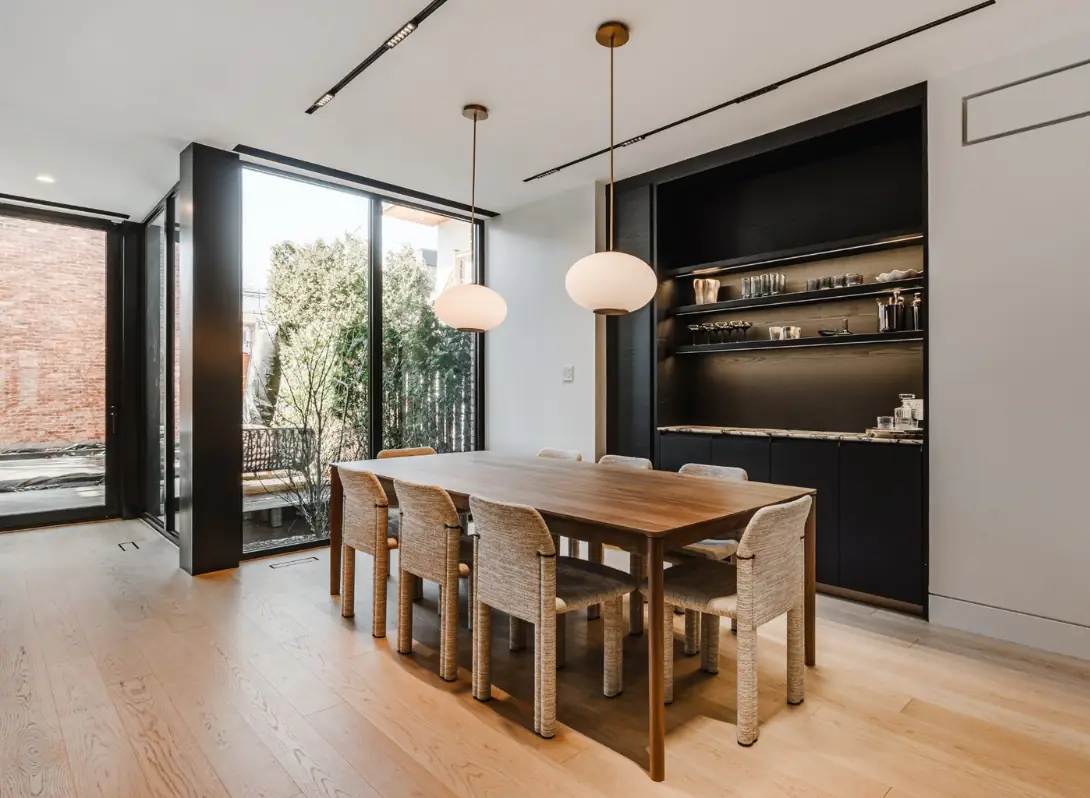
In a multi-unit building, also pay attention to the general condition of each unit and the work done over the years.
Understand the leases and the rental situation
When you buy a building that's already occupied, the rental situation is part of the analysis.
It's worth knowing the current rents, the lease terms, what's included and what the owner is responsible for. The building's history can also tell you useful things about how the units have been managed and occupied.
Understand the rental reality before you buy, so you can assess the property with concrete data rather than projections alone.
Get the right help
Buying an income property involves a lot to analyze. The right help can make the process easier and lets you ask the right questions before you commit.
A broker who knows the income property market can help you target properties that fit your plans, analyze the building and the area, and guide you through each step of the transaction.
The goal isn't just to find a duplex, triplex or quadruplex to buy. It's to find a property that fits a realistic investment strategy.
Start with a clear strategy
Buying an income property starts well before the first visit.
Once you've defined your budget, your goals, your search area and the type of building you want, you'll have a better sense of which properties are right for you, and you'll make better-informed decisions.
Whether you're considering a duplex, triplex, quadruplex, 5-plex or 6-plex in Montréal, every property deserves an analysis suited to its situation.
Looking to buy an income property in Montréal? A conversation about what you're after helps clarify your strategy and the properties to target.