Buy before you sell, or sell before you buy?
Frédéric Vinet, real estate broker
Selling before you buy is generally still the safer choice if financial security is your priority: you know your exact budget and you avoid paying two mortgages. Buying before you sell suits you better if you have plenty of financial room and want to avoid a temporary move. The market in your neighbourhood matters too. If the two transactions are very close together, a bridge loan can help.
Buy before you sell, or sell before you buy? How to make the right call in Montréal
It's one of the questions owners ask most: is it better to sell your property before buying a new one, or to buy before you sell?
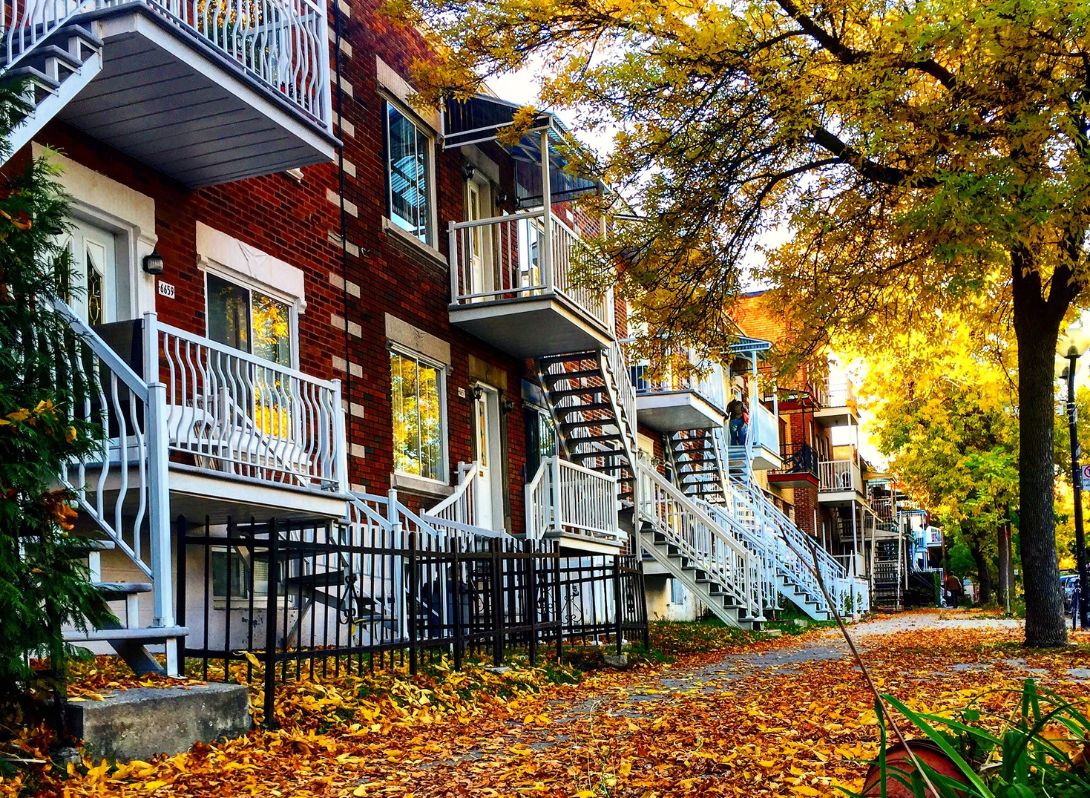
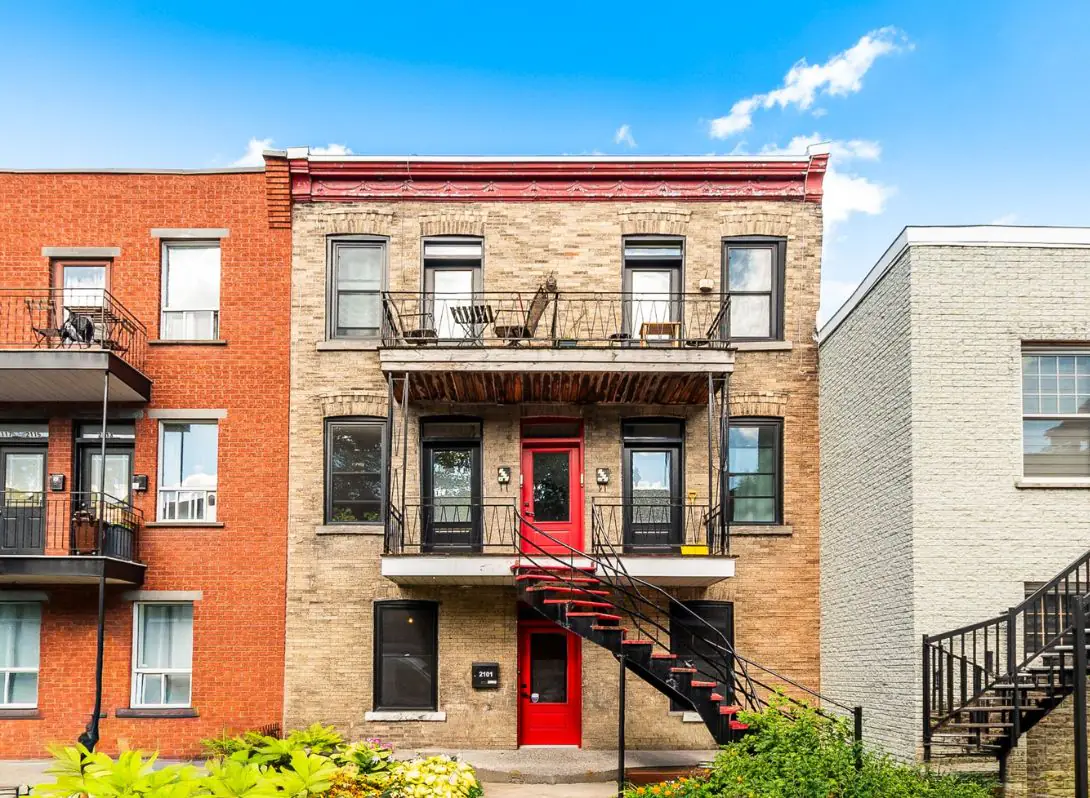
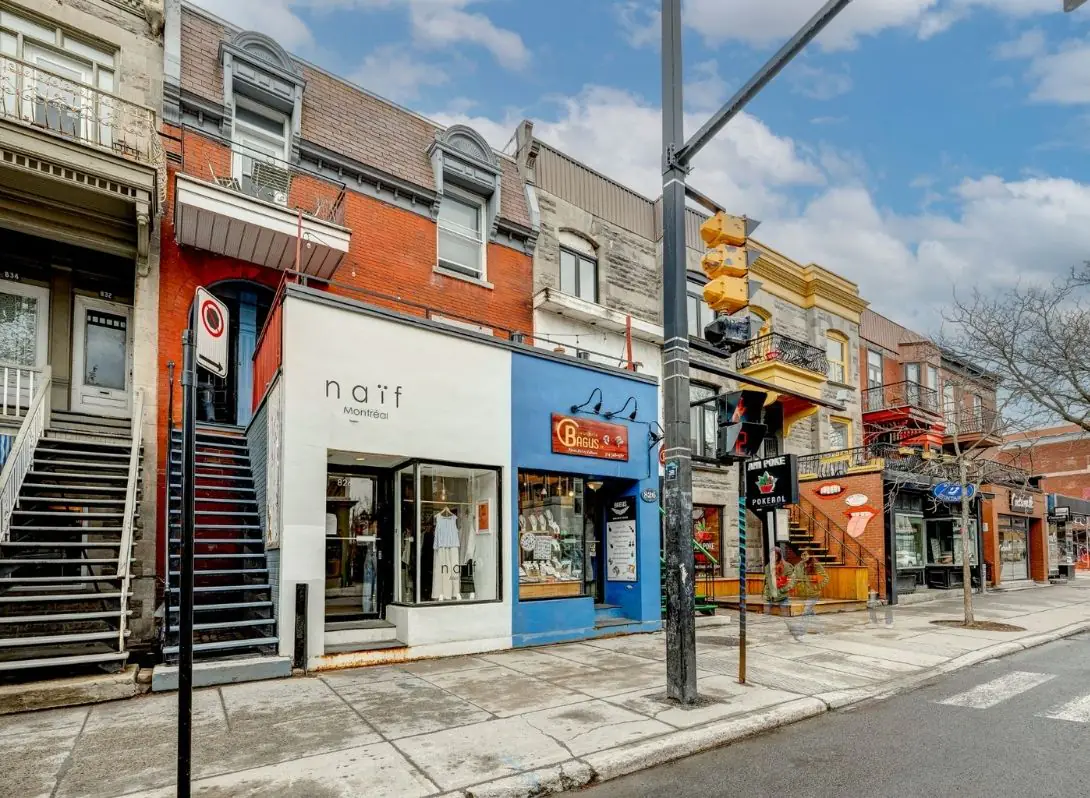
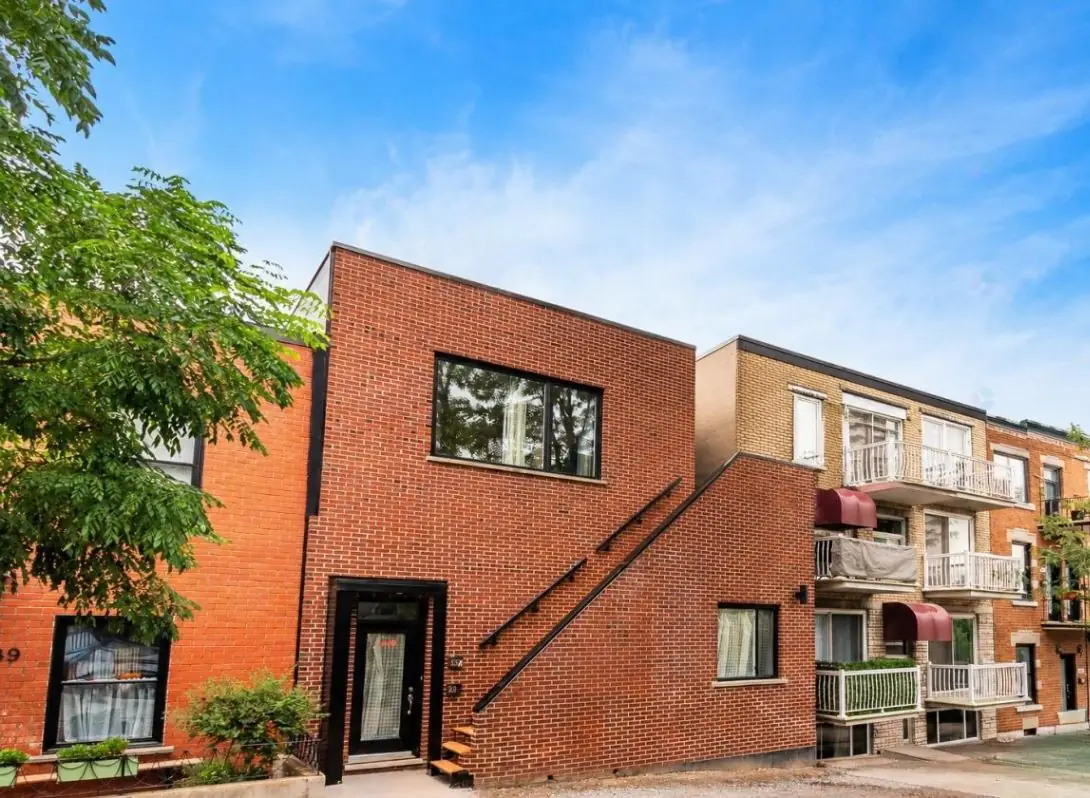
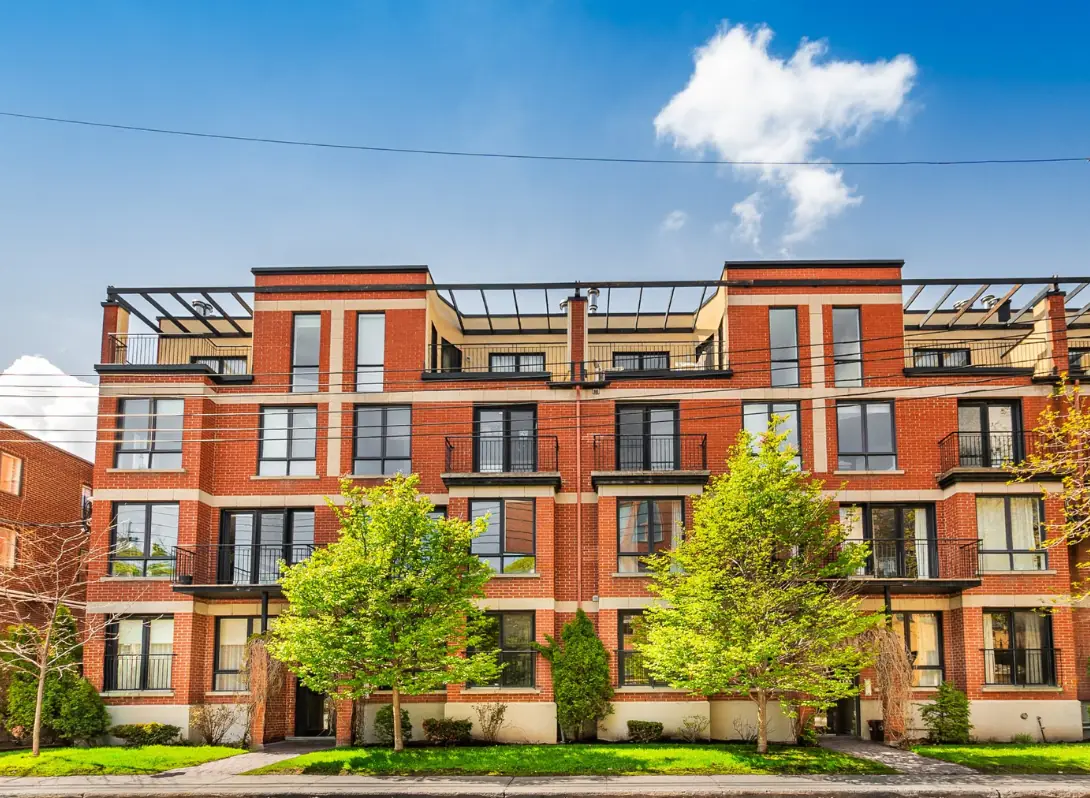
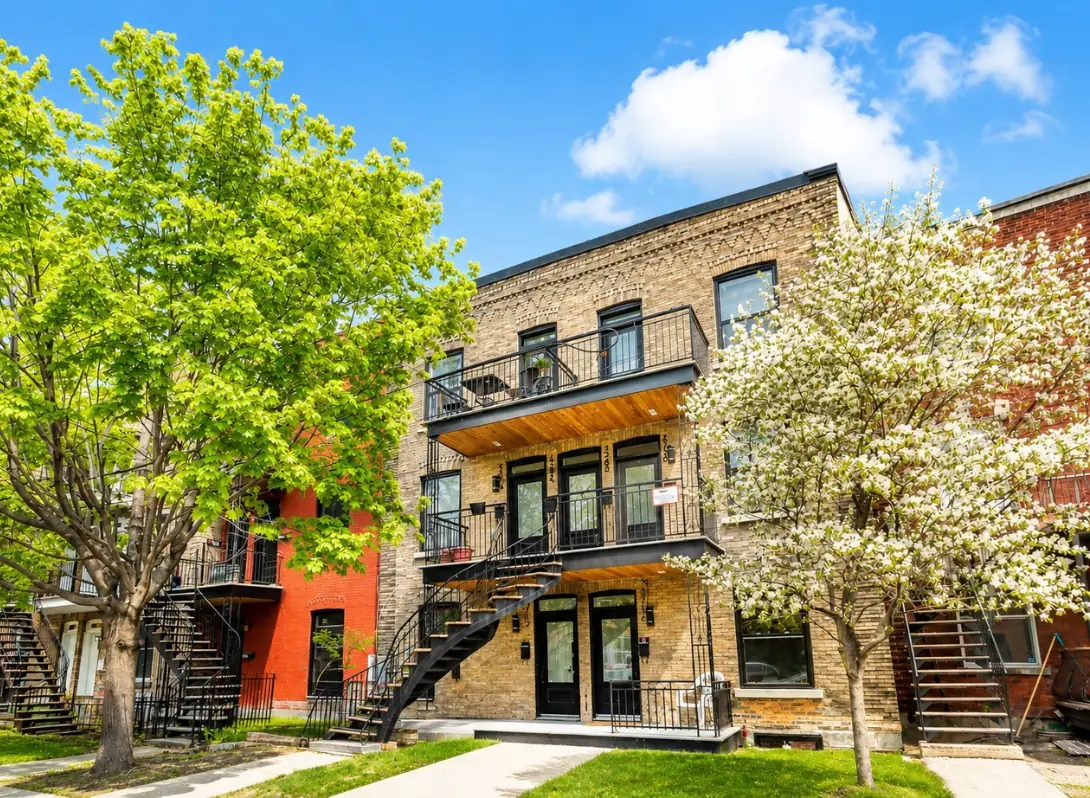
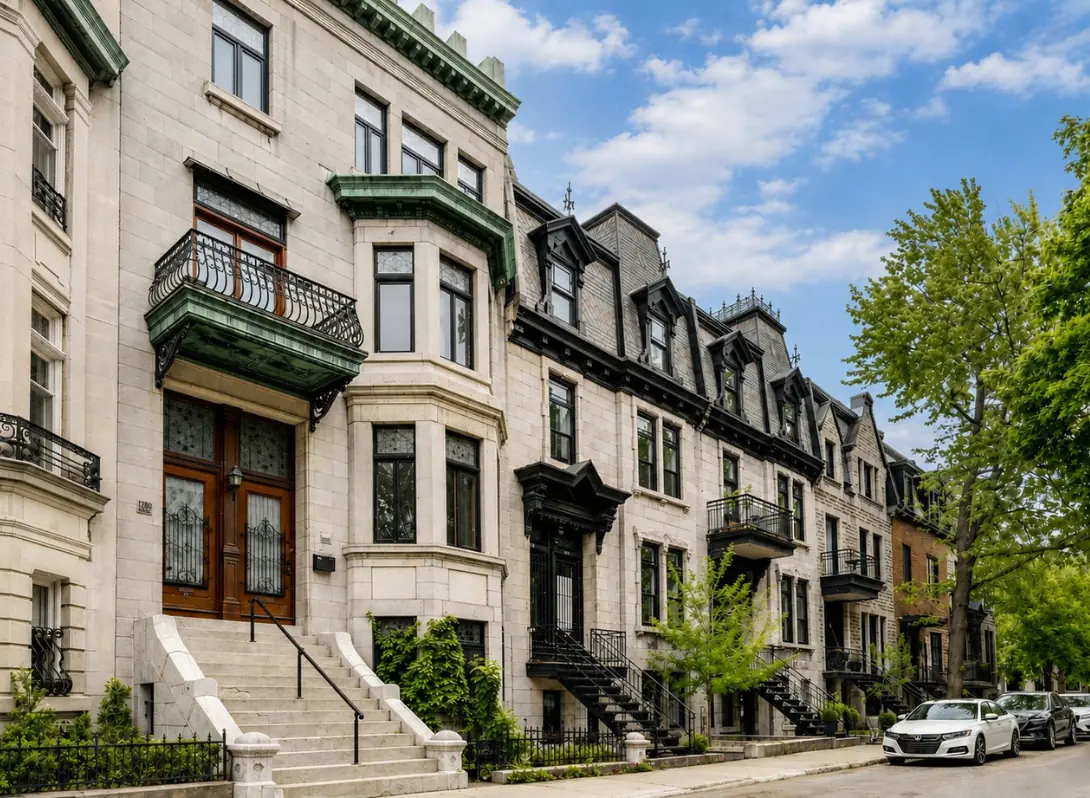
In Montréal, the decision can matter a lot depending on the type of property, the neighbourhood and conditions in the Montréal market. Whether you own on the Plateau-Mont-Royal or in Rosemont–La Petite-Patrie, the Sud-Ouest, Ville-Marie, Griffintown, Villeray or Ahuntsic, your strategy can look very different depending on your situation.
So before you decide, take stock of your finances, the value of your current property and market conditions in your area.
Selling before you buy: the option that pays off
For many owners, selling their property before buying another one is the safest route.
Once you know what you got for your property, you can set a realistic budget for your next purchase in Montréal. You also avoid the risk of carrying two mortgages at once if your property is slow to sell.
This strategy can be especially appealing for owners who want to sell a house or a condo in Montréal and want to know exactly how much they can spend before they start looking.
The pros
- You know your exact budget.
- You reduce the financial risk.
- You have more negotiating power with the sellers.
- You avoid the pressure of having to sell fast and at a discount.
- You know exactly how much you can put into your next property.
The cons
The main risk is that you might have to leave your property before you find the right house or condo.
In some rare cases, you may need to plan for temporary housing. The key to minimizing that risk is negotiating an occupancy date that leaves you enough time to find your next property in Montréal.
Buying before you sell: the more comfortable option
Buying before you sell gives you more time to find the property that really fits your needs, without being rushed by the moving date on your current home.
This strategy can make sense when you're looking in a specific part of Montréal, for example the Plateau-Mont-Royal, Rosemont, La Petite-Patrie, the Sud-Ouest or Outremont, where properties that match certain criteria can be harder to find.
The pros
- You have all the time you need to find the right property.
- You avoid a temporary move.
- You can move straight into your new house or condo.
- You have more time to compare the properties on the market.
The cons
This option does carry more financial risk, though.
If your current property doesn't sell quickly, you could end up carrying two mortgage payments, plus the taxes, insurance and other costs for both properties.
If the bank won't qualify you, you may need to make a promise to purchase conditional on the sale of your property. In most cases that's something to avoid, since it cuts your negotiating power considerably.
Depending on your situation, a financial institution could also require bridge financing (a bridge loan) to ease the transition between selling your current property and buying your new home.
The Montréal market also shapes your decision
The state of the Montréal real estate market plays a big part in choosing between buying before you sell and selling before you buy.
Conditions can also vary from one neighbourhood to another. The condo market in the Sud-Ouest or Griffintown is very different from the market for a house in Rosemont–La Petite-Patrie, Villeray or Ahuntsic.
That's why you need to keep up not only with general trends in Montréal, but also with the data for your neighbourhood and the type of property you want to sell or buy.
In a seller's market
When demand is high and properties sell quickly, buying before you sell can be less risky, since your current property has a better chance of finding a buyer fast. On the other hand, if the bank requires your offer to be conditional on the sale of your property, it will be very hard to get an offer accepted when you finally find that rare gem.
Even in a seller's market, you need to know the real value of your property and whether you can carry two properties for a while.
In a balanced or buyer's market
When properties take longer to sell, selling before you buy is often the better strategy to avoid needless financial pressure.
A comparative market analysis can help set a marketing strategy suited to your property and your neighbourhood.
Is there a middle ground?
Yes.
Depending on your situation, it's sometimes possible to negotiate a later occupancy date, include certain conditions in the offers, or use a bridge loan when the two transactions are very close together.
You can also plan to list your property before you even start actively looking for your next home.
Every situation is different. That's why personalized guidance from a real estate broker in Montréal can help you find the best strategy for your finances, your current property and the area where you want to buy.
So which option is best?
There's no one-size-fits-all answer to the question “should you buy before you sell or sell before you buy?”
If financial security is your priority, selling before you buy is generally still the safer choice.
If you have plenty of financial room and want to avoid a temporary move, buying before you sell can be an excellent strategy.
What matters is assessing your situation before you decide. A real estate broker in Montréal can help you analyze your property's value, market conditions and the properties available in the areas you're interested in.
Whether you want to buy or sell a property in Montréal, on the Plateau-Mont-Royal or in Rosemont–La Petite-Patrie, the Sud-Ouest, Ville-Marie, Griffintown, Villeray or Ahuntsic, good planning can make all the difference.